












Goodbye Spec Wars: What Makes an Electric Scooter Truly Worth Buying in 2026?
May is here. The sun is out, the breeze is warm, and the morning commute suddenly feels like an opportunity rather than a chore.
You've probably thought about getting an electric scooter. But one trip to an online store can leave you more confused than confident. Prices range from $200 budget rides to $2,500 performance beasts. That's a 10x difference.
So here's the real question you're wrestling with: How much should I actually spend? And more importantly, what does that extra money really buy you?
In 2026, where "smart" is slapped on every box and inflated specs have become an industry norm, this post cuts through the marketing fog. Let's talk about what actually deserves your hard-earned money.
The Price Gap Isn't Just "More Stuff" — It's Systems Engineering

First, understand this: the gap between a $400 scooter and a $1,500 one isn't just speed or battery size.
Premium pricing pays for systems engineering.
Many budget scooters scream about "peak power" — "3,000W peak motor!" That's a classic trap. Peak power usually lasts 30 seconds before overheating kicks in. For real-world commuting, rated (continuous) power is what matters.
Higher-end models run higher voltage systems (60V or even 72V). That directly gives you higher top speeds and, more importantly, sustained acceleration without sag.
In short: budget scooters build specs on paper. Premium scooters tune performance for the road.
Which Upgrades Are Actually Worth Paying For?

With so many numbers flying around, remember one golden rule: watch the watt-hours (Wh), be skeptical of watts (W), and trust real-world data, not peak claims.
The battery is the single most expensive component, and it's also the best place to spend more. Ignore "max range" and look at Wh instead. Lab-tested ranges — usually measured at 15km/h on flat ground with a 70kg rider — are fiction. Real range is roughly 60–70% of that. The only honest number is watt-hours (Wh), which is volts times amp-hours. Roughly speaking, 500 Wh gives you about 20–25 km of real-world range, while 1,000 Wh supports 40 km or more for serious commuting.
Brakes & Suspension – Where Safety and "Premium Feel" Live

Why does one scooter feel like a shopping cart and another like a magic carpet? The answer lies in the chassis and brakes.
On the brake front, budget scooters typically rely on electronic assist combined with drum brakes, which suffer from noticeable heat fade. A scooter that's truly worth buying uses disc brakes plus electronic regenerative braking, and high-end models now even include ABS.
As for tires, you want pneumatic (air-filled) tires, period — ideally with a puncture-protection layer. Solid tires never get flats, but they're dangerously slippery on wet roads and transfer every bump straight to your knees. Ten-inch or even eleven-inch pneumatic tires aren't a luxury; they're basic safety.
The "Premium Features" That Are Actually Traps

The industry is drowning in smart gimmicks, and many aren't worth a dime.
Take over‑smartification. Some scooters now lock basic features — like checking battery level or using GPS tracking — behind monthly subscriptions or "VIP memberships." A good scooter should be grab and go. Bluetooth unlock and GPS are nice if they're free forever, but if they require an annual fee? Hard pass.
Then there's self‑following or autonomous mode. Yes, it's been shown at trade shows. No, it's not practical. For two-wheelers, reliability and simplicity beat gimmicks every time.
What Actually Affects Your Everyday Ride?
Forget peak horsepower. Here's what you'll notice every single day.
First, range that doesn't leave you anxious. You don't need 100 km on paper. You need a scooter that still pulls you up a hill at 30% battery, even in cold weather when battery chemistry sags. That's real peace of mind.
Second, stability at speed. Small wheels are inherently unstable above 25 km/h, especially when turning or signaling. A truly good scooter has a longer wheelbase, a rock‑solid folding mechanism, and larger wheels of 14 inches or more. You should feel confident at 30 km/h, not scared.
Finally, repair costs. Cheap scooters are often cheap to buy but expensive to own. A broken integrated smart display can cost $150 or more to replace, and a side stand with a proprietary sensor? Good luck. Modular design and simple, replaceable parts are what keep a scooter on the road for years.
So, What Scooter Is Actually Worth Buying in 2026?
Here's the bottom line: buy for real-world range, safety, and peace of mind — not for a spec sheet that looks good in an ad.
If you want a scooter that just works, doesn't ask for a subscription, and won't leave you stranded or bankrupted by repairs, look for honest, real‑world specs instead of lab fiction. Make sure there are no hidden fees — one payment should give you full access. And insist on local support, because even great scooters need a tire change sometimes.
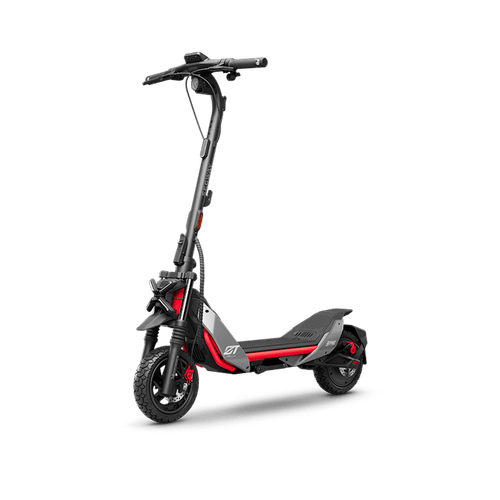
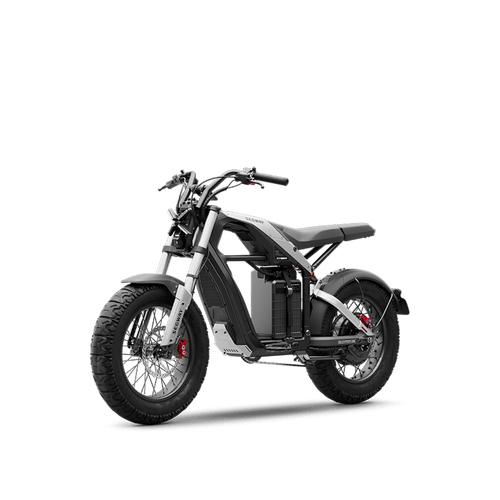
That's exactly why models like the Segway ZT3 Pro — with its TÜV certification, UL 2272 safety rating, 1,600W motor, and roughly 70 km of real range — and the Teverun Fighter Mini Pro 2026, built on system 2.0 reliability, are worth every dollar. No subscription. No fake peak numbers. Just engineering you can feel.
Ask any Wilson's shop about availability. Models over 20 mph or 100 lb aren't sold or shipped to New York City addresses.
And if you're looking for a place that curates only these kinds of genuinely worthwhile scooters — with transparent specs, no hidden fees, and local service backed by real people — visit Wilsonebikes.com. This May, don't buy a scooter that wins a spec war. Buy one that wins your commute.
Happy riding — and here's to many safe, effortless, and genuinely enjoyable trips ahead.